
Cabrera Island · A protected island world
Discovering Cabrera Island from Colònia de Sant Jordi
A day on Cabrera Island: trails, coves, natural history and the dark memory of its years as a prison for Napoleonic soldiers.
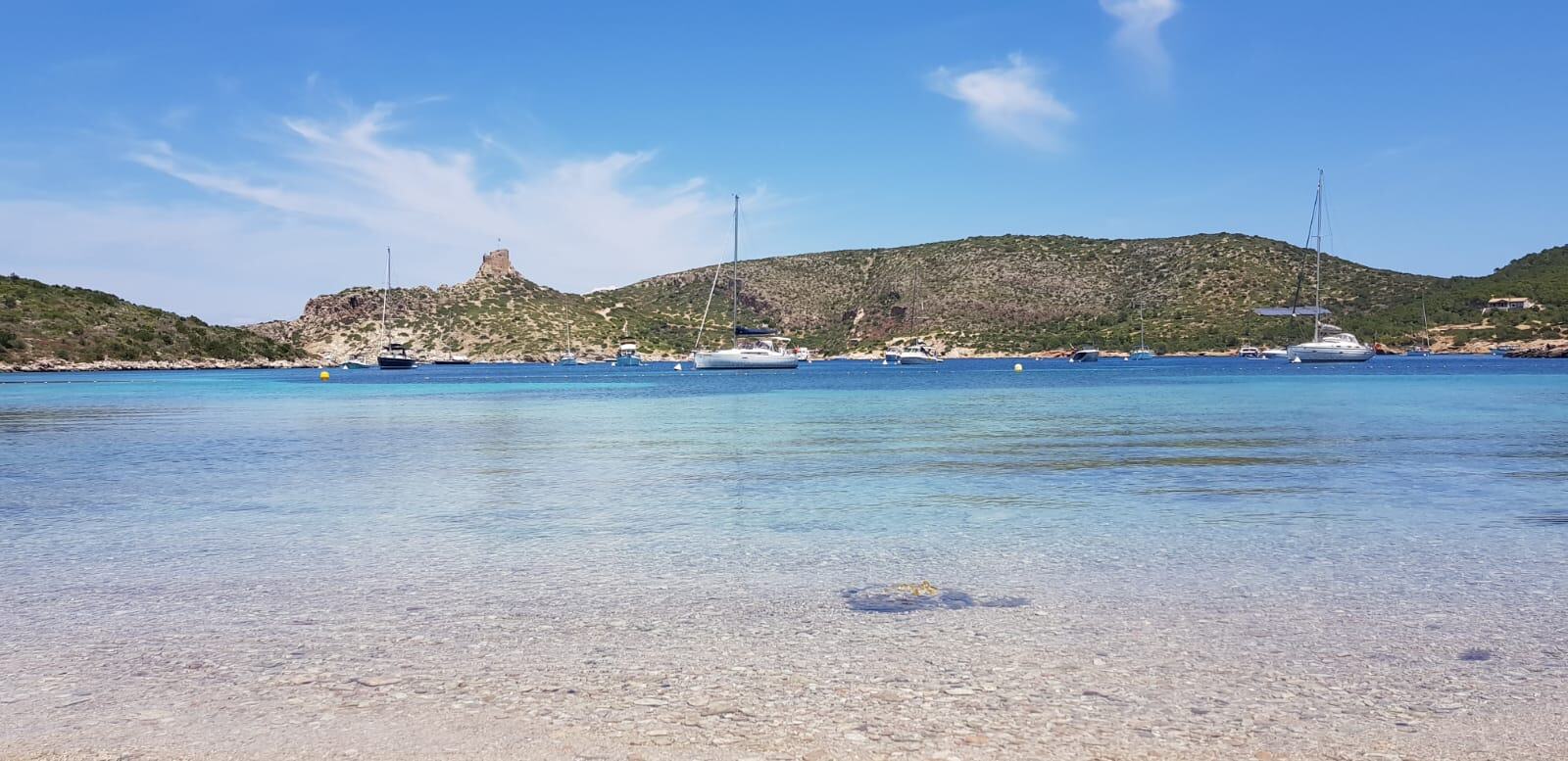
Cabrera Island is the largest island in the small Cabrera Archipelago, south of Mallorca. It is now protected within the Cabrera Archipelago Maritime-Terrestrial National Park. It is filled with natural and historical interest, yet what you notice first is the change in scale and noise when Mallorca begins to recede behind the boat.
Visitors can explore authorised trails, swim in coves when conditions permit and travel on organised excursions from the port of Colònia de Sant Jordi. There is limited accommodation and a small service area, but this is not an island designed around convenience. Its restrictions are part of what protects it.
If history interests you, Cabrera Island has a devastating past. From 1809 to 1814, after the Battle of Bailén, it was used as an open-air prison for thousands of soldiers from Napoleon’s army—mostly French, but also men of other nationalities serving in the imperial forces. There were no prison buildings: the island, the sea and the guard boats were the prison. Only around 3,600 men eventually returned to France.
Their survival depended on provisions brought from Mallorca. When deliveries were delayed or interrupted, hunger became catastrophic. Prisoners died from starvation, disease and exposure. Survivor memoirs and later historical studies also record extreme episodes of occasional cannibalism during the worst periods of deprivation.
There were repeated attempts to escape. Some prisoners seized or improvised boats and a small number succeeded. Other accounts describe men trying to cross the open water towards Mallorca: its coast could be seen on the horizon and appeared deceptively close, but the distance and currents made the attempt deadly, and prisoners drowned. Denis Smith reconstructs this history from official documents and the memoirs of survivors and escapees in The Prisoners of Cabrera: Napoleon’s Forgotten Soldiers, 1809–1814.
The monument to the Napoleonic prisoners and the remains of their camp preserve the memory of those years. The castle, lighthouse, ethnographic museum and natural interpretation give the visit several layers, but the beauty of the island should never obscure the human cost of its past.
Its flora and fauna are extraordinary. For those of us who live in southern Mallorca, Cabrera is also a permanent presence on the horizon. When we approach Sa Ràpita from Campos, the island often appears at the end of the road like a fixed point beyond daily life.
You can reach it on an authorised tour or with your own boat under the applicable rules. Permits, services and visitor conditions change, so consult the national park before planning. Cabrera is a place to explore, but also a place to contemplate and leave undisturbed.
Campos · Southern Mallorca