
Faith and cultural memory
Lluc Monastery and the Song of the Sibyl
Lluc, its mountain roads and photographs, and a Mallorcan cultural tradition heard in churches across the island every Christmas Eve.
Original photography by Hernán Nogués
Lluc, in the heart of the Tramuntana
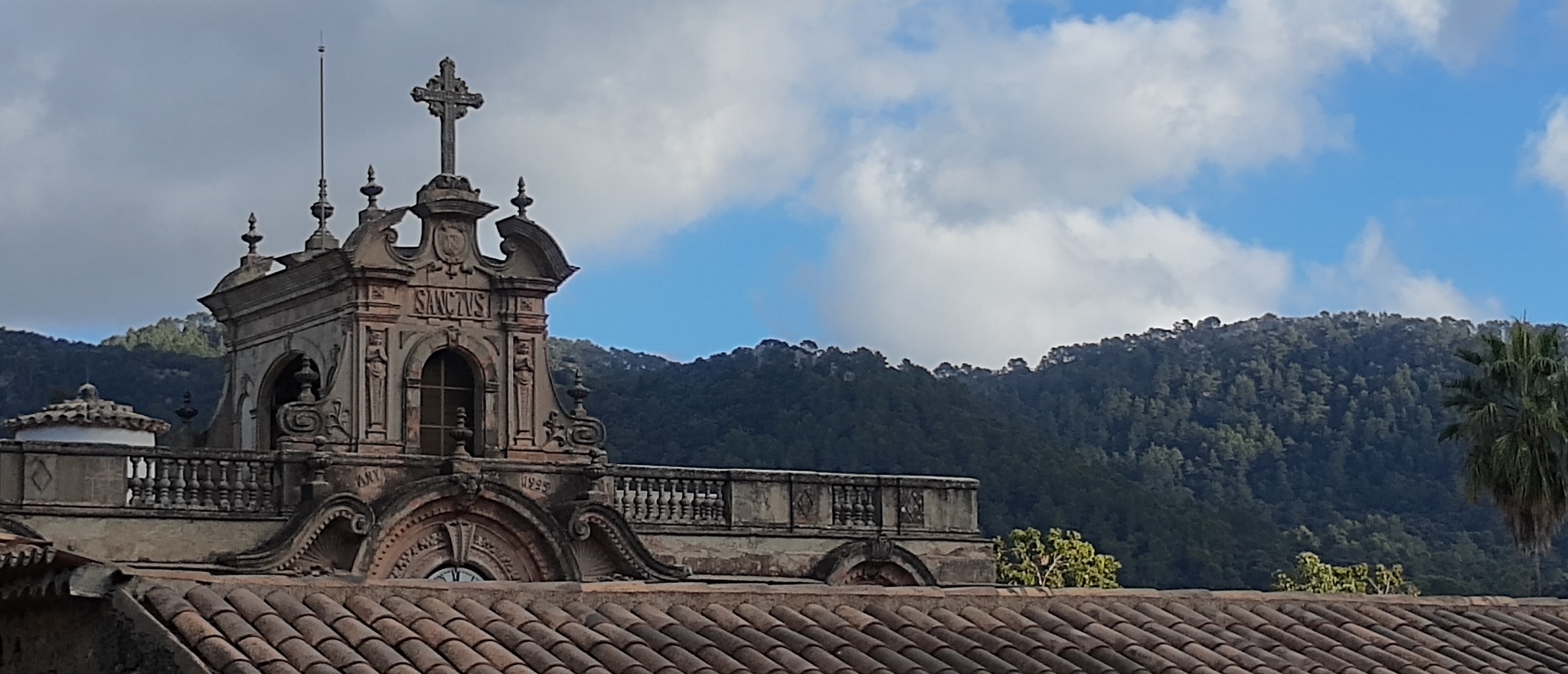
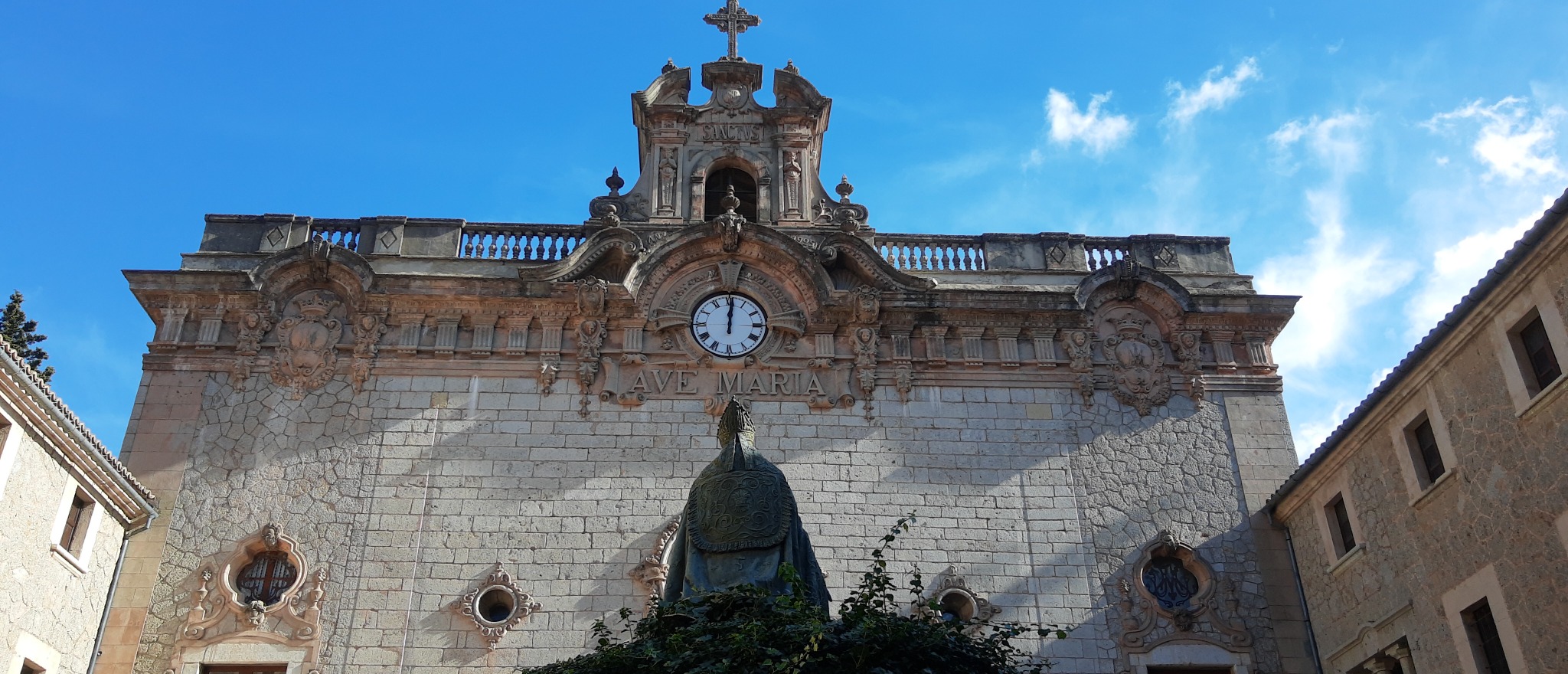
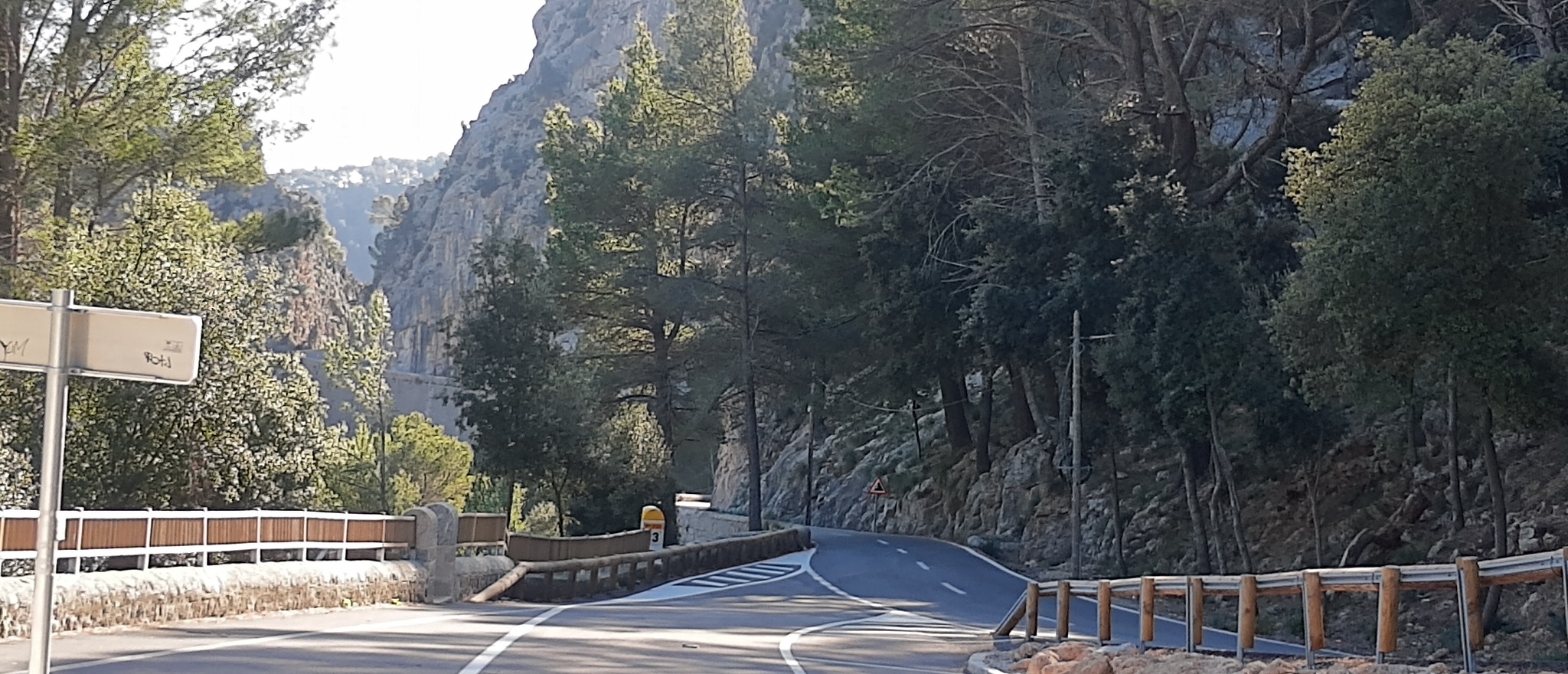
Lluc Sanctuary stands in Escorca, in the Serra de Tramuntana, and is one of Mallorca’s great religious and cultural landmarks. The approach along mountain roads, from the Inca area or through the Tramuntana, is already part of the visit. The landscape changes between bends, rock faces and woodland before the sanctuary buildings come into view.
I recommend allowing time to explore: stop at the façade and bell tower, enter the basilica and visit the botanical garden. Lluc introduces a Mallorca shaped by its mountains, pilgrimage and traditions that remain part of everyday island life.
A Mallorcan cultural tradition
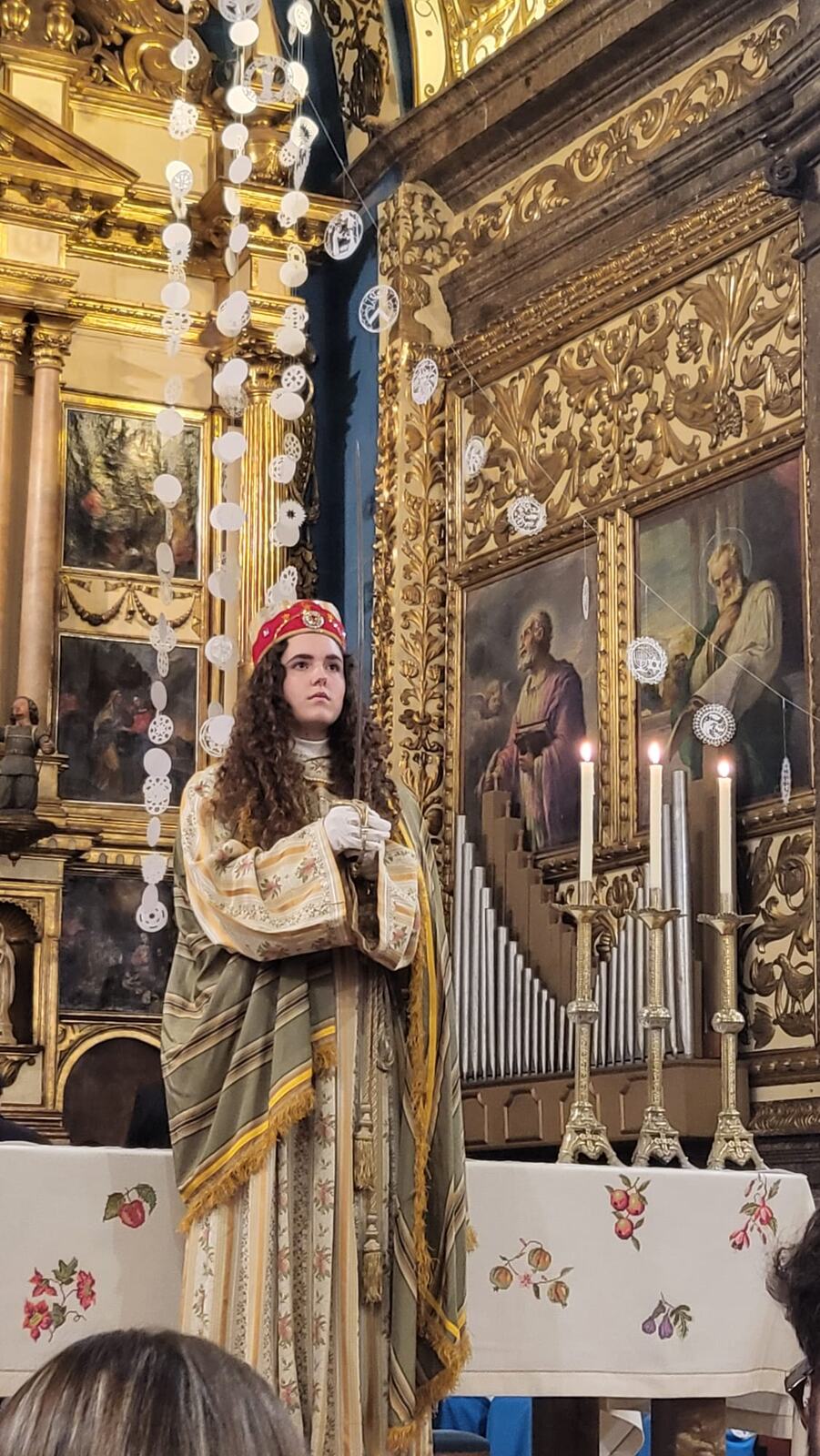
The Cant de la Sibil·la, or Song of the Sibyl, is one of those traditions. Performed on Christmas Eve during the Christmas matins, it brings together music, language, performance and collective memory. Its story announces the Last Judgement through the prophetic figure of the Sibyl.
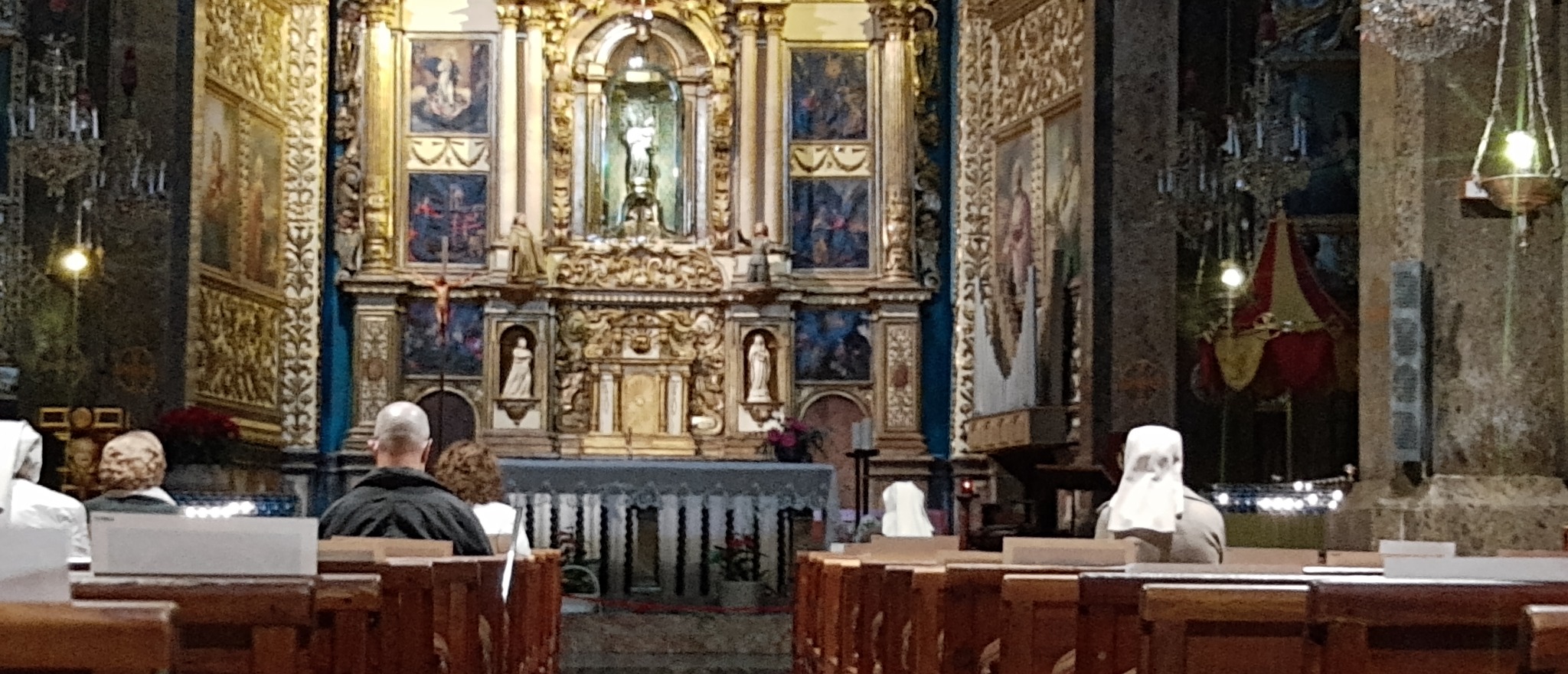
Hearing it at Lluc places that history in a particular setting: the basilica, its religious images, the singer’s voice and the people gathering for the service. Its religious dimension exists alongside its value as an expression of Mallorcan culture, passed from one generation to the next.
A chant handed down through the centuries
The Sibyl belongs to the tradition of medieval liturgical drama. It reached Mallorca from Catalonia after the conquest by James I, as part of a practice also known in other European territories. Oral transmission gradually gave rise to different musical and textual versions.
Its continuity also includes interruptions and revivals: according to the Consell de Mallorca, the chant ceased at Mallorca Cathedral in 1572 and resumed in 1575. On 16 November 2010, UNESCO inscribed the Chant of the Sybil on Majorca on the Representative List of the Intangible Cultural Heritage of Humanity. The recognition honours a tradition still performed and taught today.
The Sibyl in Mallorca’s churches
The Sibyl is performed in many churches across Mallorca. Lluc and La Seu are two of its best-known settings; it is also heard at churches such as Santa Eulàlia and Sant Miquel in Palma and in village parishes. Each community contributes to preparing and continuing the celebration.
The Universitat de les Illes Balears identifies melodic variants from Lluc, Campos and Palma, among others. Hearing it in different places reveals nuances within a shared tradition. Before attending, check the matins time at your chosen church: Christmas Eve services do not all begin at the same hour.
The voice, the sword and the Blauets
The performer wears a tunic and holds a sword upright before their face, accompanied by acolytes carrying candles. The verses are sung unaccompanied, with the organ sometimes playing between them. At the end, the sword traces a cross in the air. The voice and these gestures hold the congregation’s attention.
At Lluc, the chant is closely associated with the Escolania and its Blauets, named after their blue clothing. A member of the choir performs the Sibyl during matins. The musical education of the boys and girls and their participation in services sustain the connection between teaching, music and sanctuary.
Looking at Lluc again
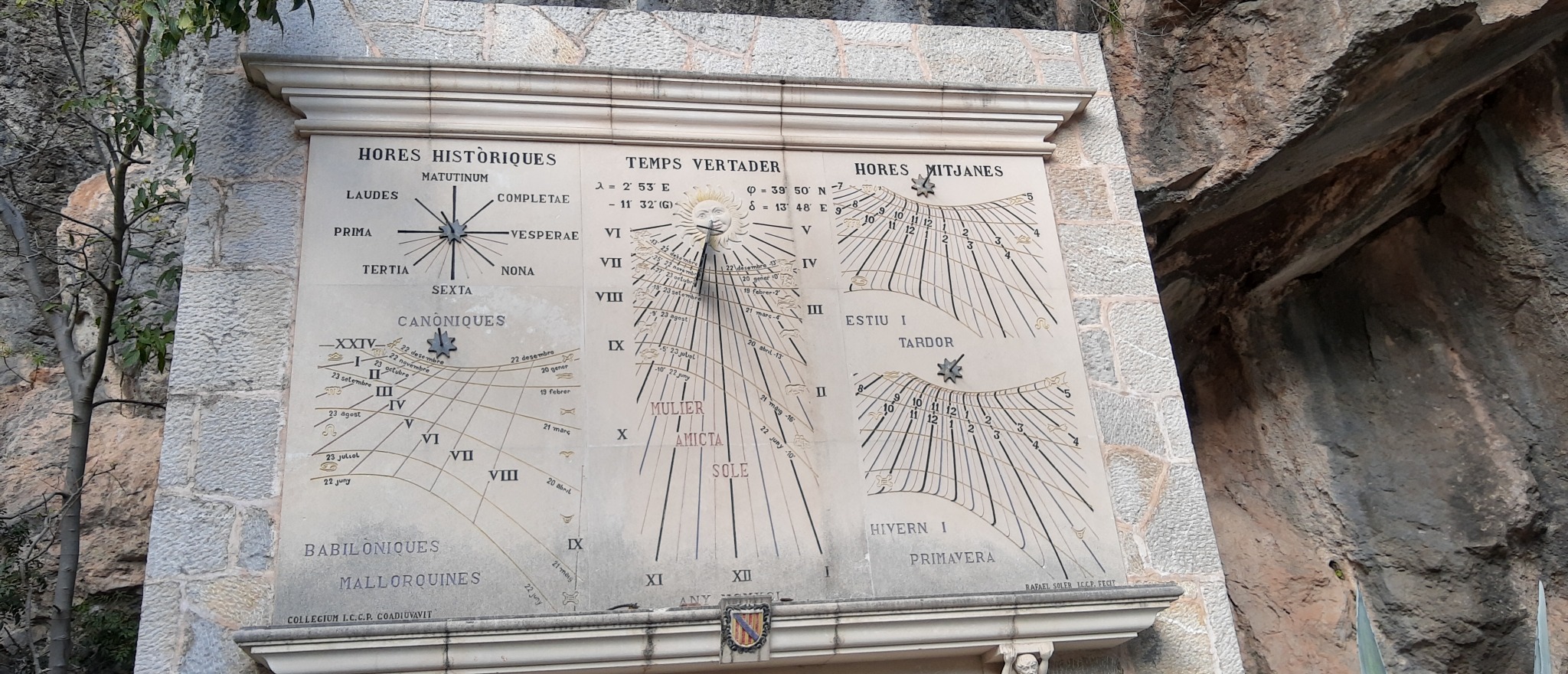
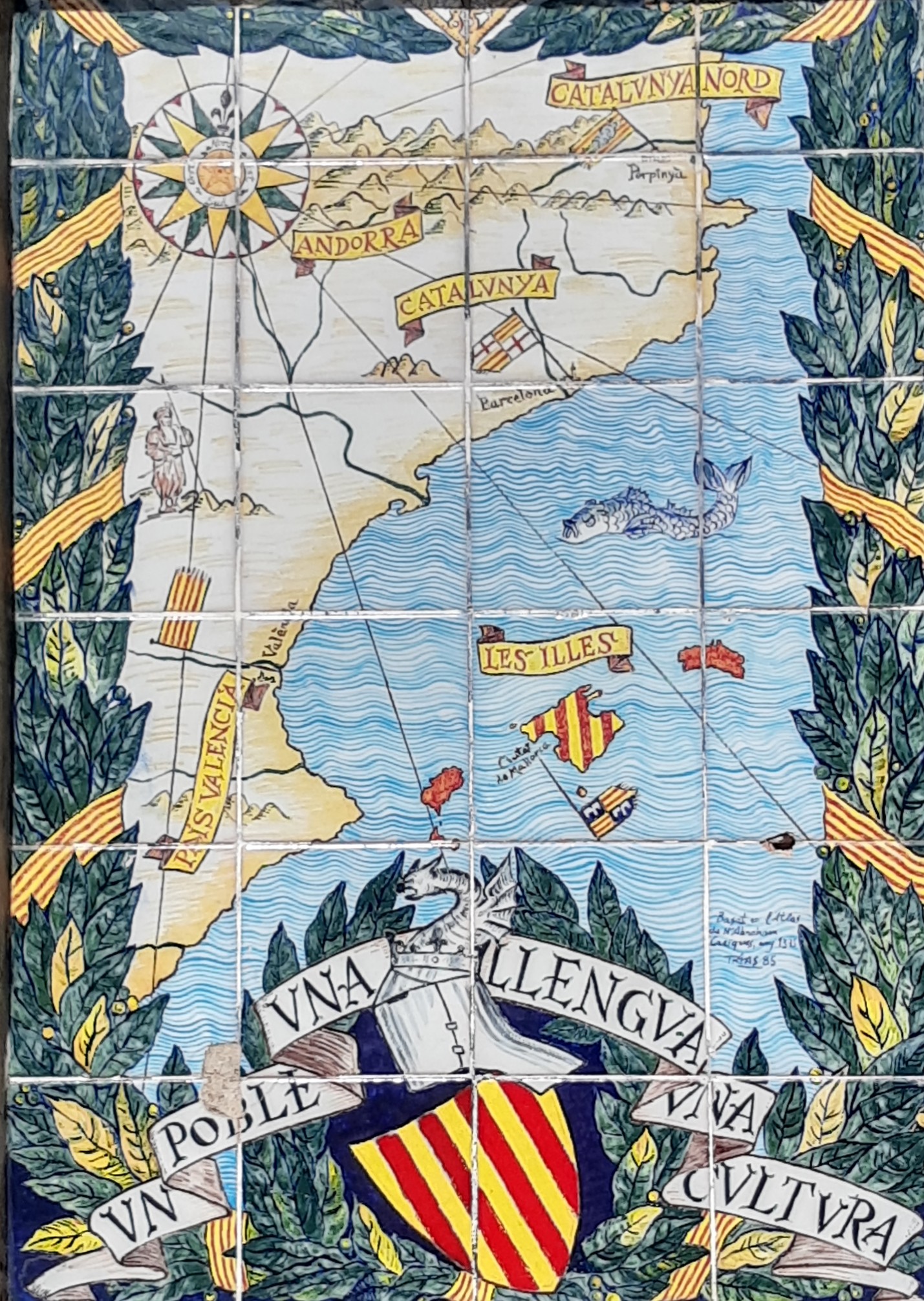
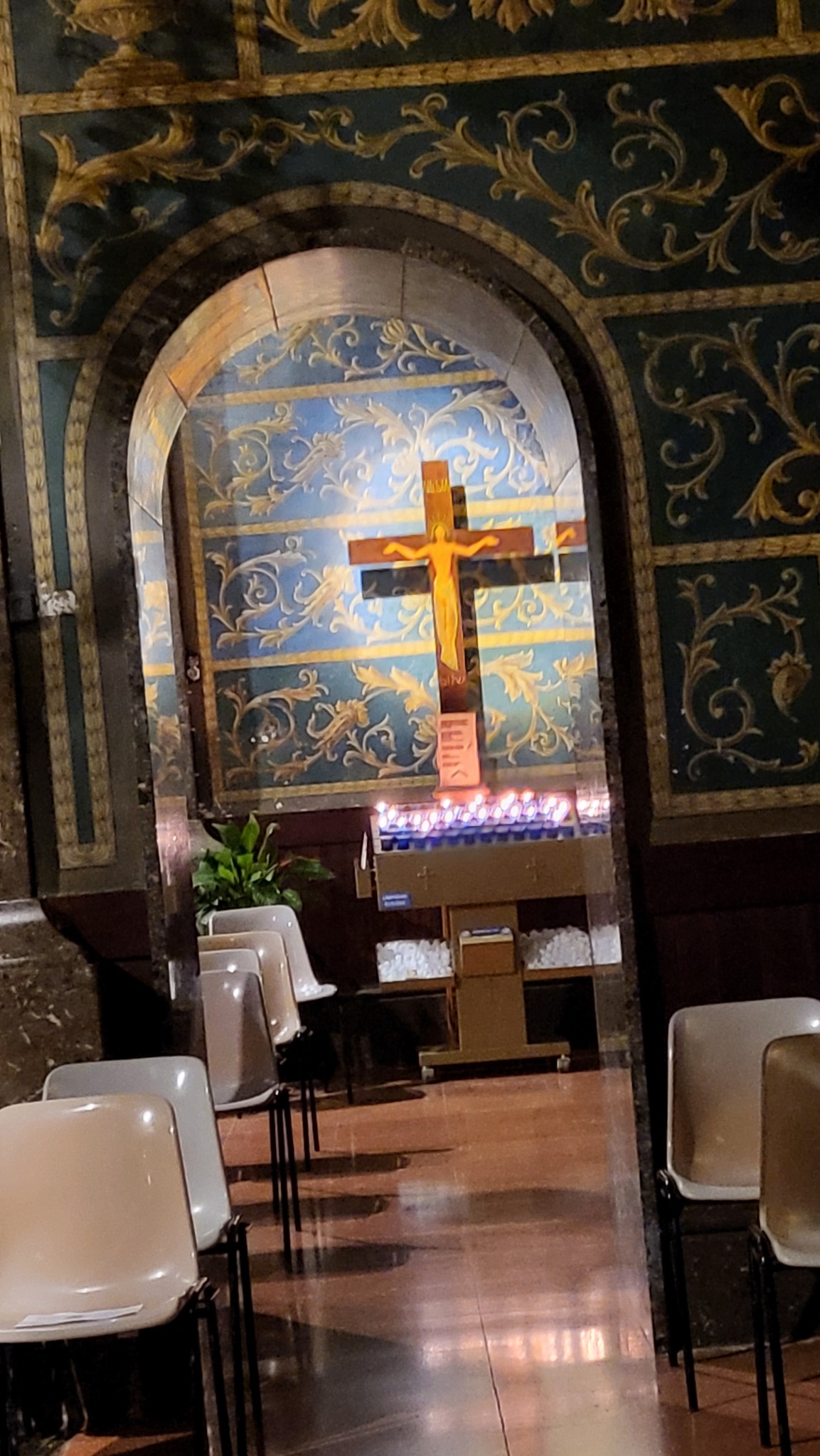
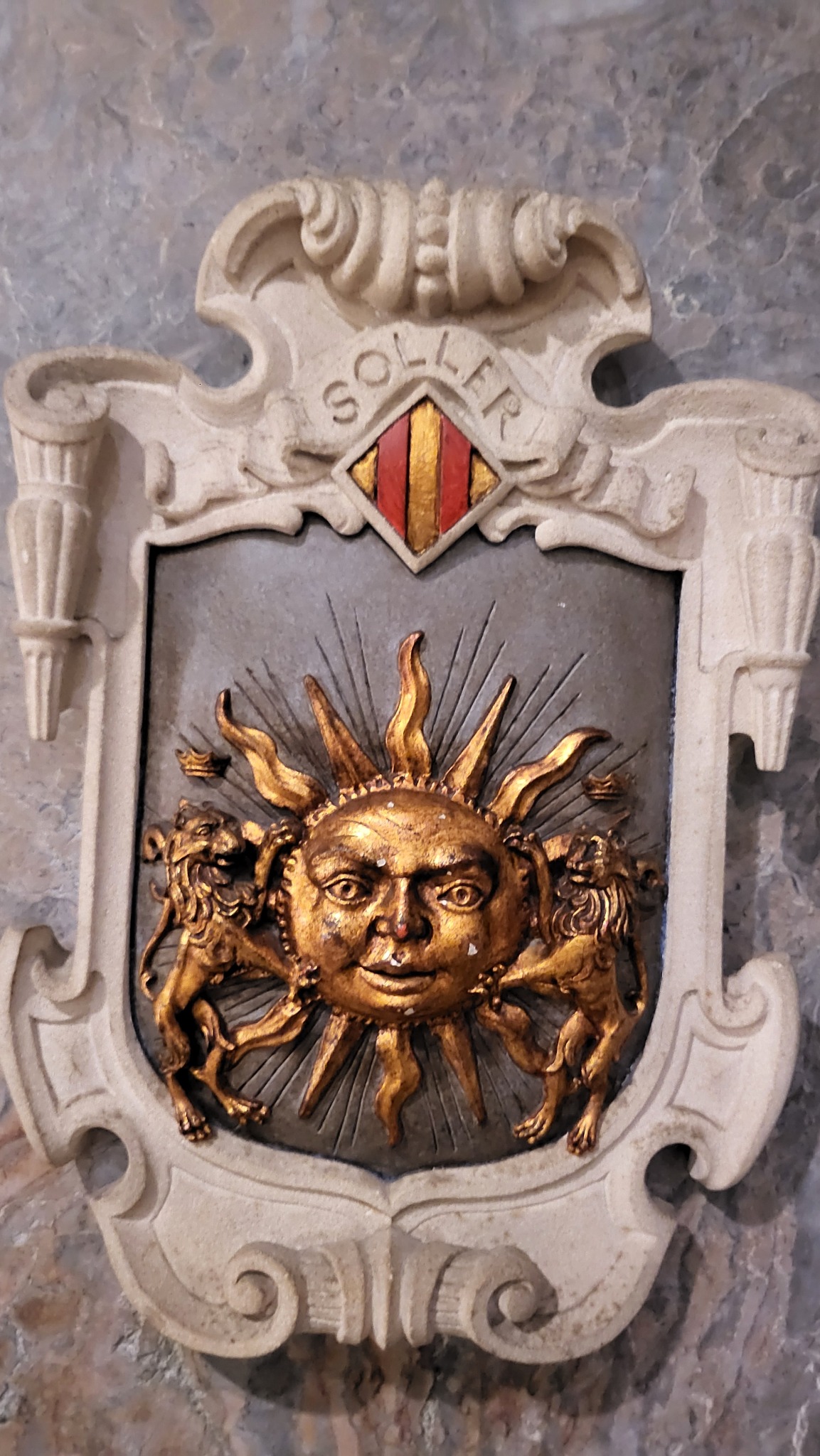
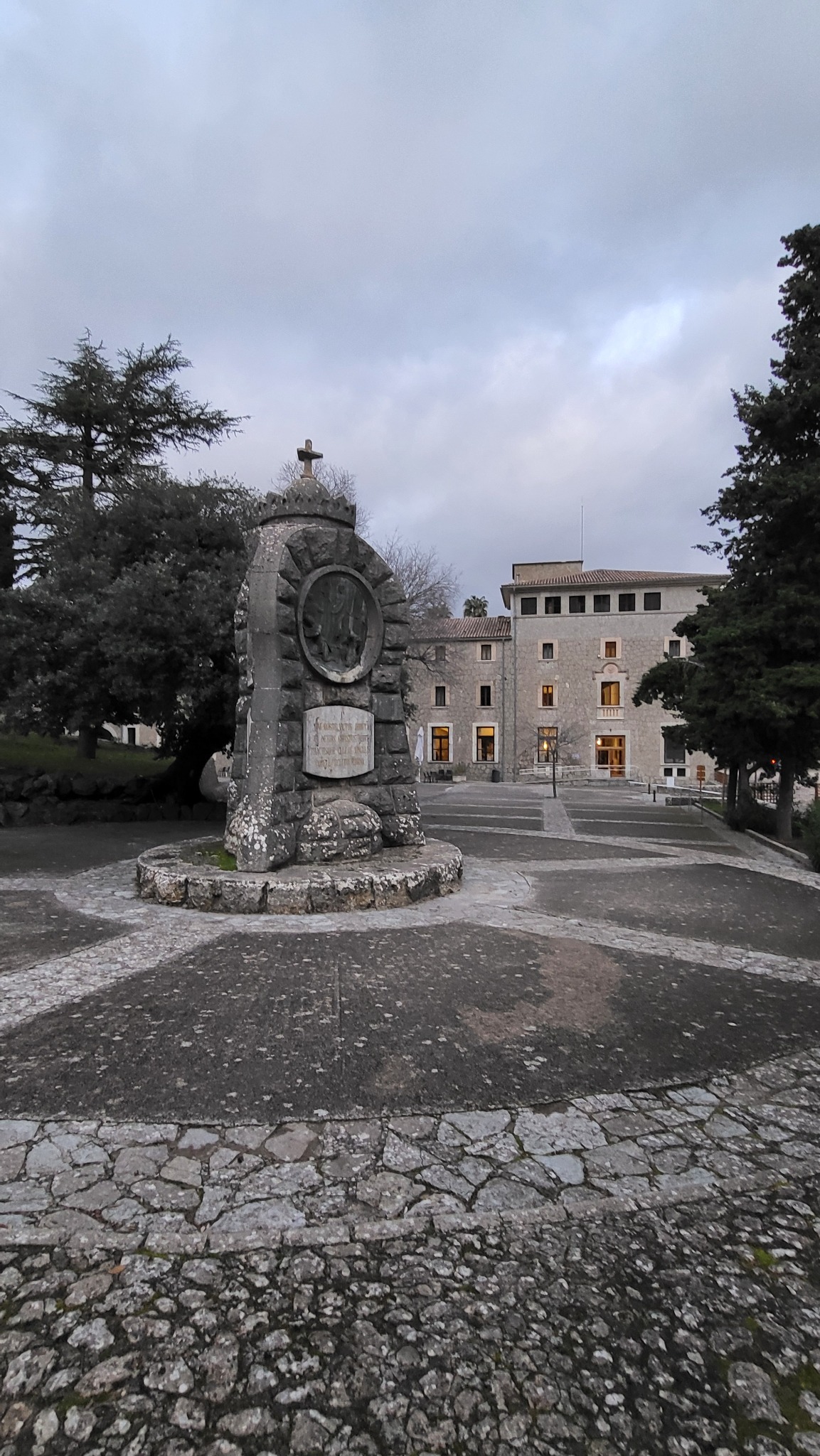
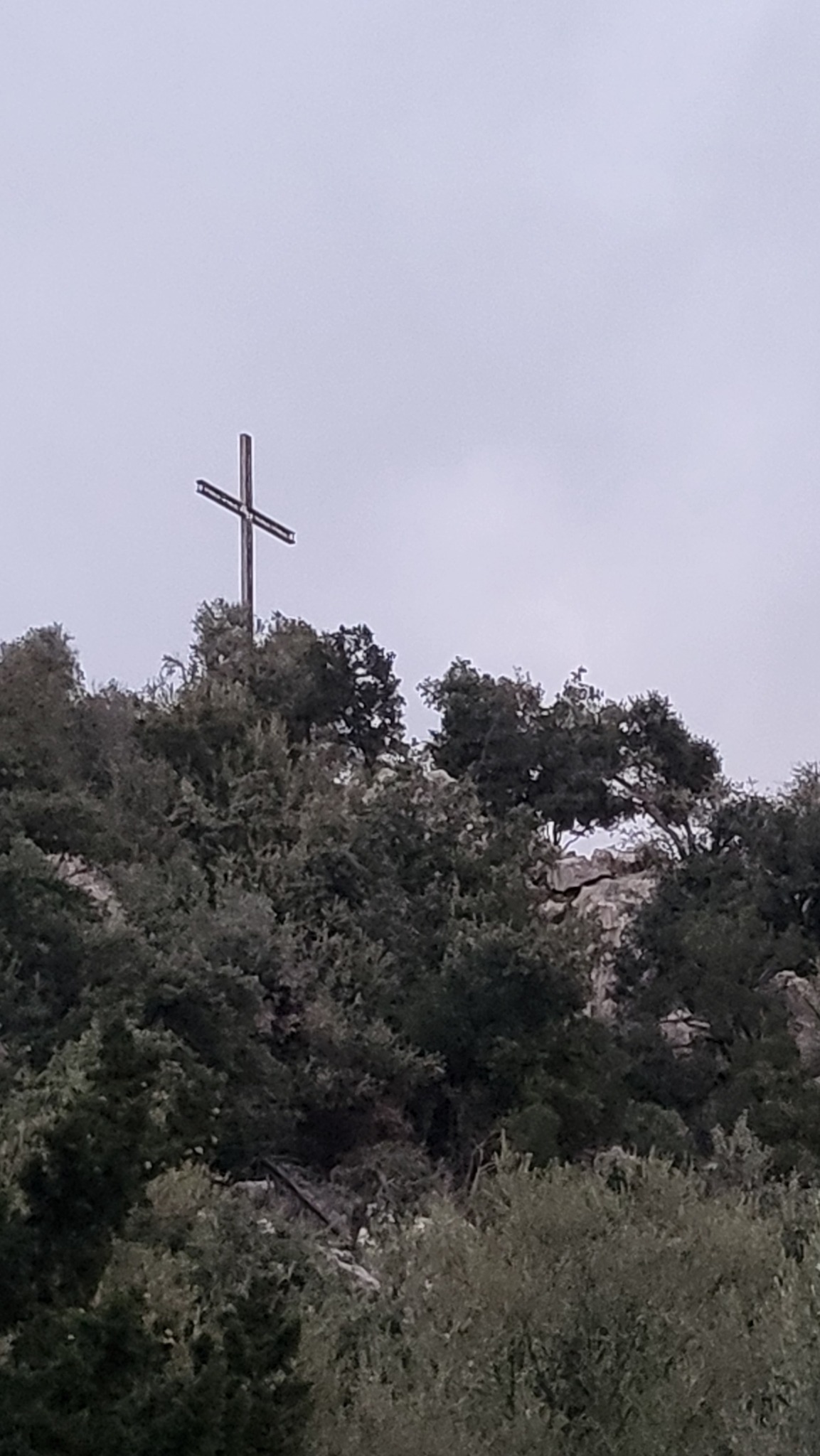
The photographs accompanying this article bring together different views of Lluc: the mountain road, façade, sundials, ceramic map, basilica interior and outdoor spaces. They also show details worth pausing over, such as the coat of arms of Sóller and the crucifix among the candle lights.
These are photographs from my journeys around the island, brought together here as a series from 2021, 2023 and 2024. The Sibyl gives a special reason to return at Christmas; the sanctuary and its surroundings deserve a visit at any time of year.
Bibliography and documentation
For further reading on the chant’s history, variants and transmission:
- Francesc Vicens Vidal. El cant de la Sibil·la a Mallorca. Un fenomen emergent. Documenta Balear, second revised and expanded edition, 2012; first edition, 2004.
- Jaume Ayats, Francesc Vicens, Antònia M. Sureda and others. La Sibil·la & les Matines a Mallorca. Consell de Mallorca, Les Músiques de Mallorca series, no. 2, 2006. Audiovisual edition.
- UNESCO. Chant of the Sybil on Majorca. Inscription file 00360, 2010.
- Consell de Mallorca, La Sibil·la; Universitat de les Illes Balears, El cant de la Sibil·la; Santuari de Lluc, documentation on the Escolania and Christmas matins.
Sóller · Fornalutx · Serra de Tramuntana